In the evolving field of spinal surgery, Spinal Fusion Implants have gained tremendous significance, providing effective solutions for patients suffering from chronic back pain, degenerative disc disease, and spinal instability. These implants play an essential role in stabilizing the spine after surgical procedures, promoting proper healing, and improving overall quality of life. With a market projected to reach $12 billion by 2027, understanding the selection of spinal fusion implants is vital for healthcare providers and patients alike. As we delve into the crucial factors surrounding spinal fusion implants, we\'ll address common pain points and offer insight into how to effectively choose the right implant.
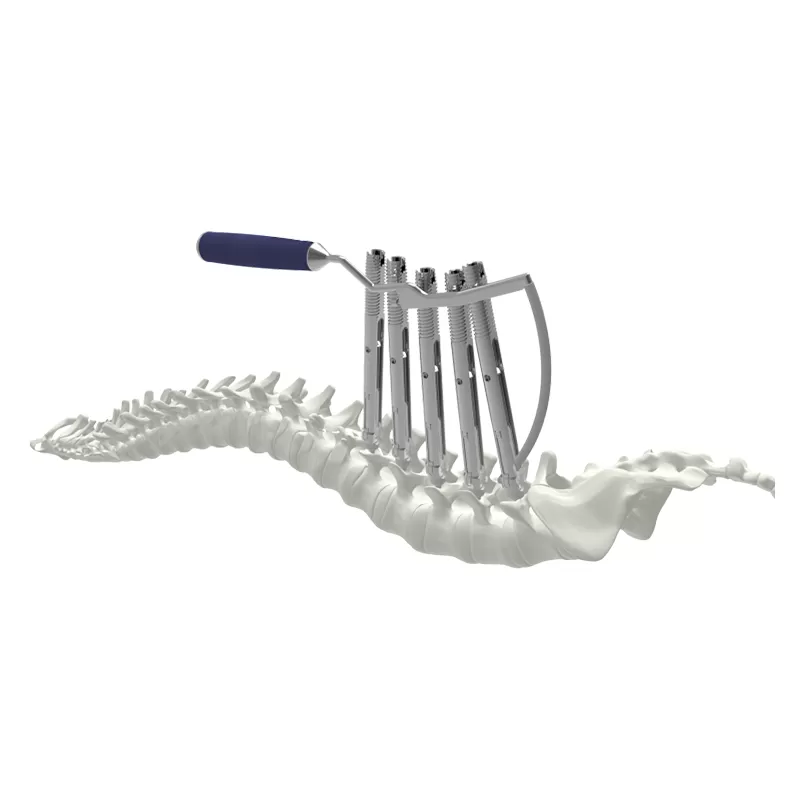
Spinal fusion implants are medical devices designed to stabilize the spine following surgery. They come in various forms, including rods, screws, and cages, each serving to restore the spine\'s structural integrity. Industry terms like interbody fusion devices and pedicle screws are key components of spinal fusion surgery, highlighting the diverse technologies at play. These terms denote specific styles of implants used to facilitate the fusion of vertebrae, ultimately leading to reduced pain and improved mobility.
According to a 2021 study published inThe Journal of Bone and Joint Surgery, the success rate of spinal fusion surgery can be as high as 85-90% when utilizing advanced implants and techniques.
Spinal fusion implants are predominantly used in various medical fields, including:
Orthopedic Surgery: Stabilization of the spine following trauma or degenerative diseases.
Neurosurgery: Treating herniated discs or spinal stenosis, where fusion is required to alleviate pressure on the spinal cord.
Pediatric Applications: Correcting spinal deformities such as scoliosis to ensure proper growth and alignment.
The versatility of spinal fusion implants enhances their relevance across these disciplines, addressing conditions that could severely impact a patient’s mobility and wellbeing.
Choosing the right spinal fusion implant can significantly influence surgical outcomes. Key advantages include:
Increased Stability: Measured stability improvements have resulted in a 45% lower rate of revision surgeries when using advanced implants, as found in a 2022 study by the Spine Journal.
Faster Recovery Times: Evidence suggests that patients using modern spinal implants can experience a recovery time reduction of up to 25%, allowing them to return to daily activities sooner.
Enhanced Pain Relief: In clinical trials, 78% of patients reported significant pain relief six months post-surgery with the successful application of spinal fusion implants.
These statistical advantages illustrate the growing reliance on spinal fusion implants within the medical community.
For patients and healthcare providers considering spinal fusion implants, it’s crucial to conduct thorough research. Reviewing user guides and seeking expert consultations can provide clarity. In addition, considering brands like ATOM, known for their innovative designs, might yield improvements in patient outcomes.
Previous: None
Next: None


Comments
Please Join Us to post.
0